News & Media

News & Media

Learn Important Info About World Water Day


world-waterOn March 22nd, World Water Day will serve to bring attention to the importance of freshwater on our planet. The sustainable management and preservation of this natural resource are dire to the continuation of life itself. With the surge of urbanization and diverse lifestyle changes, our consumption of water as a species is on the rise.

What is the Water Crisis?

It is important to be educated on how our water is threatened, and how people can work together to preserve the planet’s water supply. Our freshwater resources are becoming scarce, due to factors produced by the actions of mankind, including:

Increased Water Consumption: The increase in human population and urbanization of these individuals means that people using water at unprecedented levels. Water use for irrigation purposes, agriculture, domestic households, industrial production processes, etc. make up much of the water people use.
Environmental Crisis: Aquatic environments and the species that exist within them are disrupted by the effects of excess water usage. Once these environments are disturbed, natural balance can be difficult to regulate.

The Importance of Conserving Water
wasting-waterCurrently, humans are wasting more water than ever before. Since these developments, scientists and activists alike have developed key methods to reducing how much water we use, and how to protect freshwater itself:

The overall reduction in water usage and waste, preserving existing resources. Improving the management of water usage by enhancing decision on how and why humans use water. This includes using water sustainably, and for the benefit of the entire population.

The production of factory farm raised meat accounts for a much higher percentage of water usage than the growth of edible and usable vegetation. Activists are communicating the importance of lowering the production of factory raised meat and opting instead for the production of water efficient crops.

How to Conserve Water at Home

Luckily, there are small, affordable changes that can be made within households to decrease the usage of water in everyday lives. By investing in water-saving plumbing
technology, you can do your part in saving this precious resource. The following are some great plumbing upgrades to consider:
  • water-dropAutomatic (timed) faucets.
  • Low-flow showerheads (also known as energy-efficient showerheads).
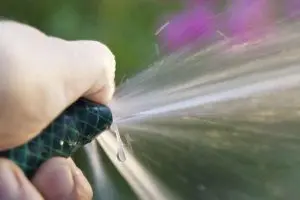
  • Garden hose nozzles.
  • Low-flush toilets.
  • Dual-flush toilets. These toilets have two different levers or buttons to flush differing levels of water and use up to 67% less water than conventional toilets.
  • Faucet aerators. These aerators break up the flow of water, while delivering the same effectiveness (and use less water).

If you’re in the Tyler, TX area and are interested in installing water efficient plumbing technology throughout your home, contact the plumbing experts at Super Plumbing by calling (903)-630-6153.

Universal Plumbing Myths 101

myth-or-factWe've all had to learn from tough lessons the hard way. It sometimes happens when we take a piece of bad advice or believe a falsehood to be true. Sometimes that even happens when you're dealing with the plumbing in your home.

Frequently, we hear about people who have believed some plumbing myths that turned out to be false with disastrous results. To help you avoid having that happen to you, we've compiled this list of common plumbing myths.

There's No Way Your Water Heater Ever Blow Up

Despite careful construction that’s rated to withstand elevated internal pressure and safety mechanisms built-in, it is possible for the pressure inside the tank to climb so high that it could eventually explode.

As a safety measure, water heaters have a valve on them that is designed to allow water to escape when internal heat and pressure approach dangerous levels. It’s only if that valve malfunctions that a potential danger may exist. For that reason, we recommend testing the valve regularly and having your water heater inspected and serviced every year by a qualified plumbing professional.

A Slowly Leaking Faucet Is A Minor Issue That Can Be Ignoredleaking-faucet

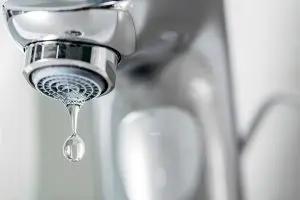
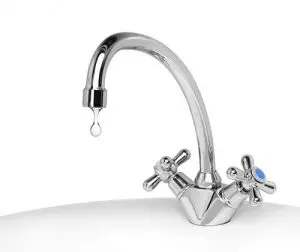
If the constant dripping noise isn't driving you crazy, perhaps the increase in your water bills will be enough to motivate you to take action. It's estimated that a faucet that releases a single drop every five seconds can waste 400 gallons or more in a year. Can you imagine then how much water is wasted down the drain if you have a steady trickle?

A Slow Drain Isn't The Same As A Clog And Therefore Isn't A Big Deal

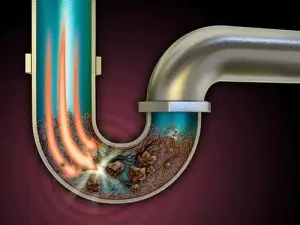
clogged-drainsWhen the accumulation of gunk, grease, and hair inside your pipes starts to significantly slow the rate at which your sinks tubs and showers drain, it's an early warning sign of a significant problem on the horizon.

If you wait until the clog is blocked completely to deal with it, you could be facing a backup of dirty water flowing into your home.

It's always preferable to have congested and clogged pipes cleaned up sooner rather than later. If a toilet plunger or store-bought drain cleaning solutions proves to be ineffective, your local plumber will have the right tools and the needed know-how to fix the problem quickly.

Have you heard any other interesting or scary plumbing myths? Share them with us to find out whether or not they are true. And for professional help with all your plumbing repair and installation needs in your Tyler, TX home, call 903-630-6153 to book an appointment with the friendly pros at Super Plumbers.

How to Fix a Leaky Garden Hose With Little Assistance

How to Fix a Leaky Garden Hose Yourself

The last thing you have time for in your busy schedule is a leaking hose.

Nevertheless, hoses wear out at the most inconvenient times. However, while buying a new hose seems like the easiest solution, it can be costly and may not solve your problem.

how-to-fix-a-leaky-garden-hose-header-1

The good news is you may have to do nothing more than replace a washer or a gasket. You may even have to cut out the damaged section of hose, but the repairs are so simple you can do the job with ease. In a matter of minutes, you’ve fixed the leak, conquered the issue and gotten right back on schedule.

Locate and Fix Leaks in Your Garden Hose

replacing-a-washerA cold splash of water in the face is a sure sign your hose is leaking, but low water pressure may hint at the same issue. However, finding the leak could pose another problem.

First check the hose bib, or where the hose connects to the faucet, and at any connecting points. If you don’t find the leak, check the length of the hose until you find the troublesome spot.

Leaky Hose Bib

In many cases, a worn out washer in the faucet is the issue. Fortunately, this is an easy fix you can complete in just a few minutes.

Turn the water off at the main.

  • Unscrew the packing nut.
  • Remove the hose bib.
  • Use a screwdriver to remove the old washer.
  • Put in the new washer.
  • Replace the hose bib.
  • Wrap Teflon tape around the stem.
  • Tighten the packing nut.

Hose Connection Leaks

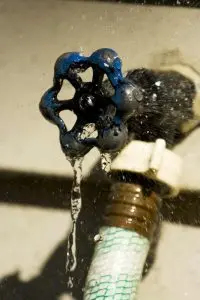
leaky-hose-bibI cannot count how many times I pulled out the hose to water the yard only to take an unexpected and very cold shower. The cause was a leak where two hoses connected. If only I’d known how easy it is to fix the leak.

Simply use a tool, like a screwdriver, to remove the old gasket. However, rather than replacing the old part with a new one, you should use an O-ring to create a better seal and help prevent leaks.

A Hole in the Hose

The number of ways a hose can end up with a hole are countless and range from prickly rosebushes to garden tools. Fortunately, a hose repair kit is the solution to your leaky hose problem.

  • Cut off the damaged section of the hose.
  • damaged-hose-1Slide a clamp provided in the kit into one end of the hose.
  • Next, slide the coupler into place.
  • Move the clamp over the coupler and tighten the screws.
  • Repeat these steps with the other end of the hose.

Repairing your hose is an easy fix you can do yourself. However, if you uncover a more serious problem, contact Super Plumbers in Tyler, TX at 903-500-2581.

How to Choose Between Reverse Osmosis & Deionized Water Filtration

Choosing between water filtration systems for your home can be as tough as deciding what to have for dessert when all your favorites are on the menu.

deionized-waterThe difference is that different water purification systems have different benefits, advantages, and disadvantages, whereas all desserts are tasty!

But if you’re trying to decide between one of these systems and want some more information, you’ve come to the right place.

Reverse Osmosis Versus Deionized Water

One of the main differences between RO and DI is the process the two systems use to purify water. The resulting water is similar, but the processes are quite different:

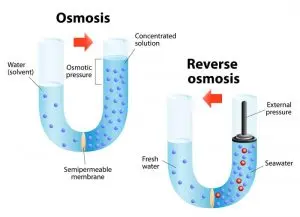
Reverse osmosis: force water through a semipermeable membrane to filter out contaminants such as salt, arsenic, and radium. RO systems also have prefilters and carbon filters that get rid of sand, chlorine, and odors. The systems typically have a storage tank to store up to four gallons of filtered water at a time.

Deionization: Uses an ion exchange process to remove minerals and harmful chemicals, such as iodine, calcium, copper, and magnesium, and replace them with hydrogen and hydroxyl molecules. DI water isn't really filtered but rather purified through a chemical process. Once purified, this type of water degrades quickly, so these systems are on-demand rather than storage-based.

Reverse Osmosis or Deionized Water?

reverse-osmosisBoth reverse osmosis and deionized water have their pros and cons. In terms of negatives, both types of water are considered demineralized, and this means they aren’t necessarily fit for long-term human consumption.

While water isn’t a huge source of elements like calcium and magnesium in human diets, it is still a necessary source. However, if you are concerned about contaminants in your drinking water, both RO and DI are remarkable at removing certain substances.

Because of the different processes used, reverse osmosis tends to be purer in terms of dissolved solids, whereas the DI process is better at removing all mineral traces. DI water, however, isn't necessarily free of particulates and bacteria, since there is no purification stage in the deionizing process designed to remove those types of contaminants.

Which Should You Choose?

water-filter-installationThe reverse osmosis process was initially designed to desalinate water, and that’s still what this system excels at. So if you need to remove salt from your water, then RO is the way to go.

Similarly, DI water was designed to remove mineral contaminants from water, making it ideal for labs, manufacturing processes, and even aquarium applications.

Both types of water are great for cleaning because they don’t leave behind the types of streaks and stains left by mineral deposits in regular water.

If you need more help choosing between these purification systems, or want more information about other water filtration options in Tyler, TX, the Super Plumbers are here to help.  So call today at 903-630-6153 to schedule your fall appointment.

Things to Avoid if You Have a Septic Tank

Although municipal sewer systems are becoming more and more common, there are many homes that still employ a septic tank. Septic tanks are a great way to achieve independence and live “off the grid”, but there are some things you should avoid putting down your drains in order to preserve the anaerobic environment that bacteria need to thrive and safely remove waste from your septic system.

Avoid Garbage Disposals

Garbage disposals can increase the amount of solids in your septic tank significantly. If your home has its own sewage system, the setbacks of a garbage disposal greatly outweigh their benefits. If you use a garbage disposal, a trash tank can be installed before your septic tank which can help eliminate this problem.

Don’t USeptic Tanks are placed under the ground and must be pumped regularly in order to continue working properly.se Excessive Amounts of Chemicals

Chlorine or other chemicals in excess can cause the chemistry in your septic tank to reach an ideal state, killing the necessary microbes that live in the septic tank and prevent an excessive accumulation of waste. Be sure not to use excessive chemicals, and avoid using large amounts of soap or other products (such as for laundry or dishes) at once.

Prevent Backflow from Water Conditioners

If you experience backflow from your water softener, sanitizer, or conditioner, this can also affect the chemistry of your septic tank, meaning you will have to pump and treat your tank.

Avoid Dirt and Foreign Objects

Any dirt can prevent your tank from draining and will increase the accumulation of solids in your tank. Muddy clothes should be dusted off before being placed in the wash in order to preserve the septic system.

If you’re having problems with your septic tank, give Super Plumbers a call and let us help! 903-372-4972