
When you’re moving into a new home, you might be focused on details like furniture placement, wall colors, and plumbing fixtures. People rarely take time to notice underlying problems before signing any documents--and sometimes those underlying problems haven’t developed yet.
Regardless, before you move in, consider learning exactly what your rights and responsibilities are as a renter. If you didn’t realize that you have rights along with your responsibility to pay the rent, you are reading the right post!
We’re going to discuss what problems must be covered by a landlord in order to make the house livable. Keep reading for more information!
What Problems The Landlord Must Fix
 When you pay rent, you are paying a landlord for the right to live in the home and that the home is habitable.
If at any point, the home becomes unlivable due to electrical, plumbing, or heating problems, the landlord is obligated to fix it.
This can include problems like a burst pipe flooding your home, or a major clog in the sewer line causing sinks and tubs to bubble with sewage.
Anything that makes the home unsafe or unacceptable to live in must be taken care of by the landlord but smaller repairs may be performed by you.
Thinking of Buying a Home?
 Buying a home is a great financial strategy as you can build equity over time and eventually own it outright.
However, when you own your home, any major repairs must be made or paid for by you.
Sometimes homeowner’s insurance will cover part of the cost, but this is not guaranteed so you may be stuck with the whole bill.
When renting a home, you typically have to cover repairs that are the result of normal wear and tear--up to a certain dollar amount. After that dollar amount, the burden of the cost of repairs reverts back to the landlord.
Local Ordinances & Code
 Although your landlord is supposed to be obligated to pay for major repairs, it doesn’t always happen as such.
Unfortunately, some landlords take advantage of the fact that you don’t know your rights and think that you will pay for the repair yourself.
Some areas have a ‘right to deduct’ stipulation which means that you have the legal right to deduct the cost of the repair from your next month’s rent if you have given ample notice of the need. This might be a tricky move and should be done under legal advice.
Regardless, state law and county ordinances supersede any lease that is signed. This means that if your rental is unlivable for an unacceptable amount of time, you may be able to break your lease without penalty.
Making The Call For Urgent Repairs
If you are facing a major repair that is quickly damaging your property, you may want to go ahead and call (903) 630-6153 for professional help, especially if you do not have renter’s insurance.
Hopefully, your landlord is understanding and will deduct the cost from your rent or pay you back immediately. If he or she doesn’t, you might look at finding a new home because you will likely pay for all future repairs.
Do you have a story about a time when your rental home needed urgent repairs? Tell us what happened and what you did to fix it in the comments!

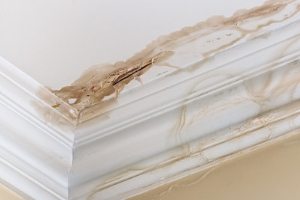 Most of the time, people hear the word flood while watching the weather or the news. It is usually due to heavy rains, hurricanes, snow melting, or other natural disasters.
 After a flood, you may want to go through your home and see the damage to all of your things. This is understandable, but really, the first task should be removing all of the water.
 Air fresheners are great for cars and gym bags, but they do not actually clean the air. Air scrubbers, on the other hand, do. These machines can help remove mold, construction dust, and fumes that can come from the repairs being made to your home. The removal of such contaminants is important to ensure your family’s safety and health.
 Of course, great customer service is of the utmost importance. Let’s face it--more often than not, when a customer calls a plumber, he or she is under stress. Maybe a toilet backed up or a dishwasher is leaking all over a newly remodeled floor. Whatever the case may be, you are entering an environment where the client is unhappy from the start.
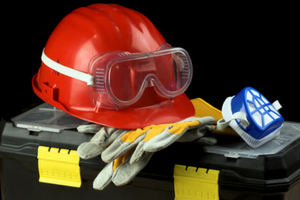 Above all, you are responsible for your personal safety while on the job. As you know, plumbing sometimes involves working with hazardous materials.
 Even master plumbers with years of experience are constantly honing their skills. This is particularly true in an industry that is constantly changing, such as plumbing.
 Before doing any renovations to your home, be sure to inquire about local city requirements. Plumbing codes are put in place in each city to prevent any plumbing disasters. If you have decided to tear down and rebuild your kitchen, research the guidelines that will need to be met first.
 Water pressure plays a significant role in the performance of your plumbing system. When the pressure gets too high, it can cause damage to your pipes.
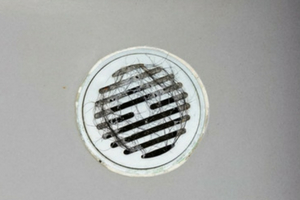 An incredibly inexpensive way to boost your plumbing performance is to use hair blockers for your drains. Most homeowners don't even notice the amount of hair that gets lost down the pipes, usually until there is a blockage.
 Getting your drains cleaned about once every two years will maintain the integrity of your plumbing system.
 What's most important in determining whether or not you need a permit to work is the scale of the project. If all you want to do is conduct a relatively simple task, such as installing a new faucet, you likely don't need to seek permission.
 The purpose of applying for permits is actually to protect any would-be amateur home renovation stars. Obtaining the correct permits grants you access to municipal reviewers and inspectors from whom you need to gain approval to get started with different parts of your project.
 Different cities can have different rates for permits depending on what the project involves and type of building you're working on. Generally, each permit costs between tens and hundreds of dollars.
