
Our plumbing system is intricately designed to keep water flowing throughout the home. Without a second thought, we flush our toilets, shower, and wash our dishes with ease. Every avenue we get water from has a series of pipes and gadgets attached to it. Sometimes we can take for granted how hard this system works for us. It's easy to care for your plumbing system and boost its performance. Just follow these tips to find out how.
Make Sure Local Requirements are Being Met
 Before doing any renovations to your home, be sure to inquire about local city requirements. Plumbing codes are put in place in each city to prevent any plumbing disasters. If you have decided to tear down and rebuild your kitchen, research the guidelines that will need to be met first.
Your plumbing system is an essential feature of your house and will need to be properly installed to function optimally. Get the right permits and when in doubt, contact a local plumber for advice.
Balance Out Your Water Pressure
 Water pressure plays a significant role in the performance of your plumbing system. When the pressure gets too high, it can cause damage to your pipes.
This strain will impact performance and longevity. You can check your psi with a hose bibb gauge. It attaches to the outside of your home and monitors pressure.
If you notice your pressure is high, you can install a pressure regulator. Contact your local plumber if you would like to learn more about pressure regulators and how to install them.
Buy Premium Hair Blockers
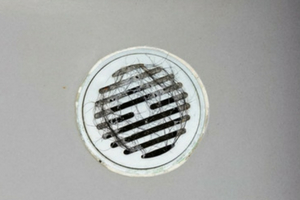 An incredibly inexpensive way to boost your plumbing performance is to use hair blockers for your drains. Most homeowners don't even notice the amount of hair that gets lost down the pipes, usually until there is a blockage.
Clogged drains are problematic and annoying to deal with. With a hair trap, you can catch the hair at the drain before it enters the pipeline. When it gets full, you can just empty it into the trash and place the hair blocker back over your drain.
Clean Your Drains
 Getting your drains cleaned about once every two years will maintain the integrity of your plumbing system.
Hard water build up can lead to rust and corrosion in your pipes, most of which you won't notice until it's too late. Cleaning your drains can reduce mineral buildup and also prevent clogs.
Well, there you have it Tyler, TX! Boosting your plumbing performance is easier than you thought. Just follow these simple guidelines and keep your plumbing system in good standing for years to come.

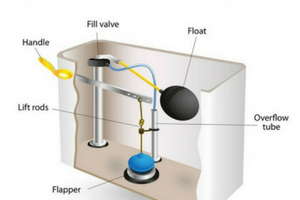 Sometimes all you need to get a toilet flushing again is a little jostle to the flapper.
 Usually, we don’t find out a toilet isn’t flushing until after we have used it. This can be an embarrassing moment for any person. There is, however, a way to solve the problem immediately before anyone finds out.
 If your problem isn't the flapper or lift chain, and pouring water down the drain didn't fix the overall issue, then it’s time to call in the big guns. No one wants to have to spend money on calling a plumber to come to your home.
 What's most important in determining whether or not you need a permit to work is the scale of the project. If all you want to do is conduct a relatively simple task, such as installing a new faucet, you likely don't need to seek permission.
 The purpose of applying for permits is actually to protect any would-be amateur home renovation stars. Obtaining the correct permits grants you access to municipal reviewers and inspectors from whom you need to gain approval to get started with different parts of your project.
 Different cities can have different rates for permits depending on what the project involves and type of building you're working on. Generally, each permit costs between tens and hundreds of dollars.
 This leak is, in some ways, unavoidable since no one can stop time. All pipes are built with quality and durability in mind, but that still doesn’t mean that pipes can last forever, even though some may last the entire lifetime of two or even three or more families living in a home generation after generation.
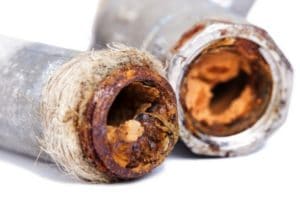 Time is not the only threat to pipes breaking and requiring water leak repair. Chemical interactions can also play a role. When it comes to metal pipes, rust can make pipes vulnerable.
 There’s nothing wrong with wanting to feel refreshed thanks to a high-pressure shower, but turning up the water pressure on all your plumbing is not the way to do it.
 The final factor that can affect whether your pipes require water leak repair is the water quality itself. Certain characteristics such as high pH levels raise the acidic quality of water.
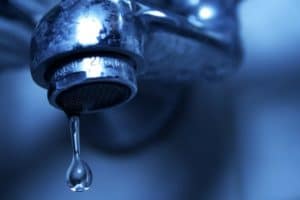 The constant drip of a leaking fixture doesn’t necessarily threaten your home, but it gets annoying fast.
 If you fill your sink with water, then pull the plug to let that water drain away, but the water just stays there, you have a blocked drain.
 You don’t want to flush your toilet one day and have the waste inside it flow up, and out of the toilet and onto your floor.
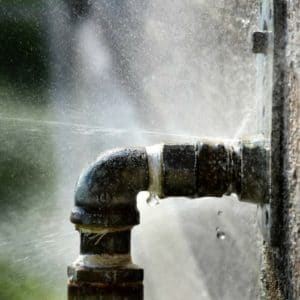 The circumstances behind a pipe bursting are extreme. Very old pipes—especially if they’re cast iron—will break due to metal fatigue eventually.
