
Who is Adrienne Bennett?
Adrienne Bennett is the first Black woman to become a master plumber in the United States. In honor of Black History Month, this blog will discuss her successful and groundbreaking career in plumbing. Her perseverance and determination led her to make her own path where there wasn’t one already.
The Early Years
As one of eight siblings, Bennett stood out by earning good grades in school, where she was interested in math and science. She worked at an engineering firm for a training program that led to a university where she hoped to gain an engineering degree. However, because of a racially charged incident with someone at the firm, she left the job and never attended college.
After a few years, a recruiter from the Mechanical Contractors Association of Detroit approached her at a 1976 election rally about an apprenticeship program for skilled trades. Soon after, she got into a five-year apprenticeship program with a plumbers’ union.
The Career
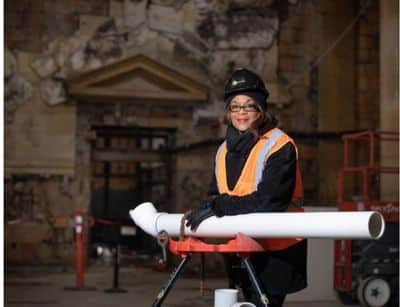 Throughout her training, she did well and earned praise for her work. However, she was surrounded by men and had to deal with harassment and hostility from her male peers. But she persevered, and when she completed the program, she became the first woman in the state to do it.
After completing her training and the required 4,000 hours of experience to qualify for the master plumber exam, she took the test and became the first Black woman to become a master plumber in her state of Michigan and the entire country. Bennett was able to land several desirable positions within the field. She worked as a journeyman plumber, a master plumber, a project manager, a plumbing inspector, and a code enforcement officer for the city of Detroit.
The CEO
 After making her way through the plumbing industry and many years in the business, Bennett was ready to work as an independent contractor. She now runs a company with her son, which is involved in rebuilding Detroit and focuses on water conservation. She is continuing her successful career as the President and CEO of her company.
Her trailblazing path in a male-dominated industry continues, and she helps the next generation of tradespeople too by sitting on the Architectural Engineering Advisory Board for Lawrence Technological University, the college she had planned on going to but never got to attend.
About Super Plumbers
Super Plumbers is a family-owned and operated full-service plumbing company serving Tyler, TX, and the surrounding areas. They offer 24/7 emergency repairs, upfront pricing, and a 100% satisfaction guarantee. Call them today for plumbing services in Tyler, TX.
)
)
)
Distribution Links +
- wicz.com
- htv10.tv
- central.newschannelnebraska.com
- metro.newschannelnebraska.com
- midplains.newschannelnebraska.com
- northeast.newschannelnebraska.com
- plattevalley.newschannelnebraska.com
- panhandle.newschannelnebraska.com
- lifestyle.mykmlk.com
- lifestyle.3wzfm.com
- lifestyle.southernsportstoday.com
- lifestyle.thepodcastpark.com
- lifestyle.680thefan.com
- lifestyle.xtra1063.com
- lifestyle.953hlf.com
- lifestyle.rewind1019.com
- lifestyle.us983.com
- lifestyle.countrylegends1059.com
- lifestyle.967wshv.com
- lifestyle.1045thedan.com
- michigan.yournewsnet.com
- lifestyle.earl983.com
- lifestyle.maverick1023.com
- lifestyle.magic979wtrg.com
- lifestyle.1077lakefm.com
- https://pr.boreal.org
- https://pr.timesofsandiego.com
- https://pr.chestercounty.com
- https://pr.wncbusiness.com
- https://pr.ashlandtownnews.com
- https://pr.millismedwaynews.com
- https://pr.norwoodtownnews.com
- https://pr.hopedaletownnews.com
- https://pr.franklintownnews.com
- https://pr.naticktownnews.com
- https://pr.norfolkwrenthamnews.com
- https://pr.omahamagazine.com
- https://pr.hollistontownnews.com
- https://pr.rivertonjournal.com
- https://pr.greenvillebusinessmag.com
- https://pr.davisjournal.com
- https://pr.columbiabusinessmonthly.com
- https://pr.herrimanjournal.com
- https://pr.holladayjournal.com
- https://pr.millcreekjournal.com
- https://pr.wvcjournal.com
- https://pr.mysugarhousejournal.com
- https://pr.westjordanjournal.com
- https://pr.midvalejournal.com
- https://pr.sandyjournal.com
- https://pr.southjordanjournal.com
- https://pr.draperjournal.com
- https://pr.murrayjournal.com
- https://pr.cottonwoodheightsjournal.com
- https://pr.taylorsvillecityjournal.com
- https://pr.valleyjournals.com
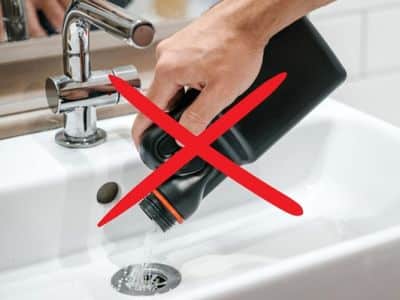 A drain clog is a pain that can limit the usage of bathtubs, bathroom sinks, and kitchen sinks. Instead of turning to professionals to relieve the frustration, many homeowners' first option is to try a plumber in a can, a liquid drain cleaner. Liquid drain cleaners are harsh and dangerous chemicals that are hazardous to use and store. Unfortunately, they aren’t even very good at removing clogs, and they have a tendency to chemically burn the piping and cause
 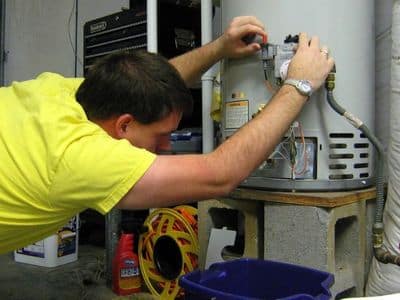 The water heater is an essential home appliance and needs routine
 )
)
)


 Food waste and cooking
 )
)
)

 A home’s water and sewer lines are arguably the most critical parts of a plumbing system. The water supply lines deliver potable water to every faucet and fixture throughout the house. In contrast, the sewer lines are responsible for transporting the home’s wastewater from every drain into the city sewer main. When something goes wrong with either the water or sewer lines, the results can be catastrophic.
 While not quite as scary as a gas leak, burst pipe, or sewage backup, water heater problems are nothing to scoff at. Hot water is crucial for bathing, dishwashing, general hygiene, and overall comfort, so a broken water heater is the last thing any homeowner wants - especially in the colder months.
 )
)
)

 More guests and more time at home means more traffic to the toilet. For homes that aren’t ready, this can be a recipe for a Halloween disaster. There are a few things homeowners can do to help prevent clogged toilets. One is to be mindful of what goes down the drain. For example, avoid flushing large amounts of toilet paper at once, as this can quickly lead to a blockage.
  Water heaters can send chills down spines by failing in the middle of a shower, and they can haunt the family with creepy noises like screeching in pipes and thumping behind walls. Avoid the loss of hot water by keeping up with routine water heater maintenance by a professional.
 )
)
)

