How to Identify a Clog and the Need for Drain Cleaning
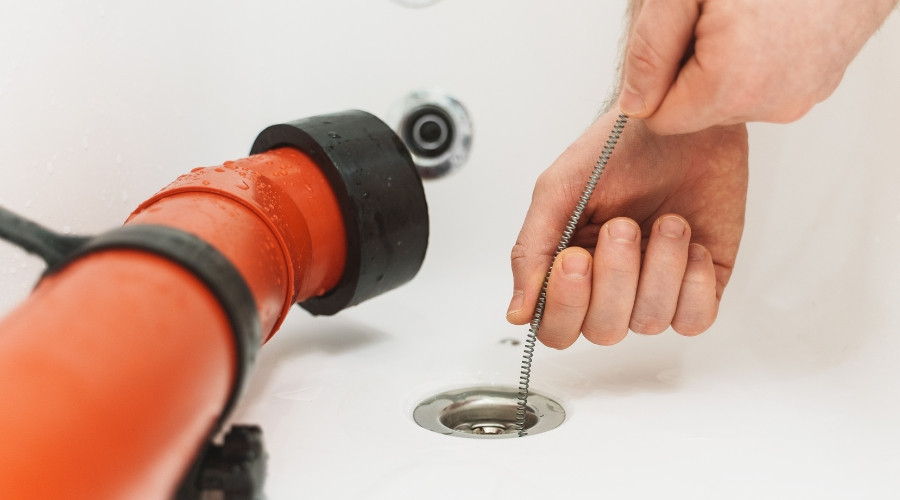
Noticing the signs of a blockage within a home's drainage or sewer system is essential. Timely action prevents issues from developing into more significant, costly emergencies that might require extensive sewer line repair rather than routine drain cleaning. The following are signs that indicate a drain or sewer line clog that requires professional drain cleaning service.
Gurgling Noises or a Bad Smell
 Unusual sounds, such as gurgling or bubbling, coming from the home’s sinks, tubs, or toilet drains often indicate a clogged drain line or sewer line. These noises are caused by air being trapped and forced up through the water column as wastewater struggles to navigate past an obstruction. Similarly, a persistent, unpleasant smell wafting up from drains can indicate a clog, caused by decomposing waste materials accumulating in the pipes.
If these symptoms are observed across multiple drains in the house, it strongly suggests a clog in the sewer line. Conversely, if the gurgling noise or foul odor is isolated to a single drain, the obstruction is likely confined to that fixture's specific drain line. In either scenario, calling for professional drain cleaning services is the recommended step to remove the blockage, restore smooth drainage, and safeguard against further complications.
Slow Draining
 A noticeable deceleration in water drainage speed is another sign of an existing or developing pipe obstruction. This slow drainage can lead to water pooling around the feet during a shower or lingering in the kitchen sink long after dishwashing is done, and it is a sign of an underlying problem.
When all or most drains in the residence empty slowly, the issue is typically a clogged sewer line. However, if only one drain is affected, the obstruction is usually nearer, confined to that drain's specific piping. Common culprits for localized drain clogs include hair and soap residue in bathroom drains, or solidified grease and food debris in kitchen sink drains. Ignoring slow drainage allows the obstruction to worsen, eventually leading to standing water that won’t drain or a backup. Scheduling professional drain cleaning can prevent the significant inconvenience and mess associated with a backup.
Backups
One of the most disruptive indications of a severe blockage is the backing up of wastewater through a drain opening or toilet. When a substantial obstruction forms inside a pipe, the wastewater has no clear path forward and is forced to reverse course, exiting at the nearest available point, such as household drains and toilets.
As with other clog symptoms, if backup occurs in only one drain, the obstruction may be in that drain line. However, sometimes water backing up from a single drain might indicate it is the lowest point in the home's plumbing, making it the first spot affected. When the sewer line is clogged, it commonly results in multiple backups throughout the property.
Upon observing any signs of a sewer line or drain line clog, homeowners should immediately contact a professional for drain cleaning. A plumber uses specialized tools and equipment to safely locate and remove the obstruction, restoring full system performance and preventing the problem from escalating.
About Super Plumbers
Super Plumbers is a local, family-owned and operated company providing plumbing services to Tyler and the surrounding areas. They offer competitive, upfront pricing, high-quality service, and a 100% satisfaction guarantee. Call them for professional drain cleaning services in Tyler, TX.
)
Distribution Links +
- https://go.chinesewire.com
- https://smb.bogalusadailynews.com
- https://smb.orangeleader.com
- https://smb.picayuneitem.com
- https://smb.lobservateur.com
- https://smb.panolian.com
- https://smb.americustimesrecorder.com
- https://smb.amnews.com
- https://smb.dailyleader.com
- https://smb.oxfordeagle.com
- https://smb.bluegrasslive.com
- https://smb.claiborneprogress.net
- https://smb.jessaminejournal.com
- https://smb.kenbridgevictoriadispatch.com
- https://smb.thesnaponline.com
- https://smb.harlandaily.com
- https://smb.ourdavie.com
- https://smb.thecharlottegazette.com
- https://smb.theinteriorjournal.com
- https://smb.tryondailybulletin.com
- https://smb.winchestersun.com
- https://smb.farmvilleherald.com
- https://smb.cordeledispatch.com
- https://smb.thepostsearchlight.com
- https://pr.washingtoncitypaper.com
- https://smb.theleesvilleleader.com
- https://smb.prentissheadlight.com
- https://smb.beauregardnews.com
- https://pr.hattiesburg.com
- https://pr.boreal.org
- https://pr.walnutcreekmagazine.com
- https://pr.thembnews.com
- https://pr.timesofsandiego.com
- https://pr.chestercounty.com
- https://pr.wncbusiness.com
- https://pr.ashlandtownnews.com
- https://pr.hollistontownnews.com
- https://pr.naticktownnews.com
- https://pr.millismedwaynews.com
- https://pr.norfolkwrenthamnews.com
- https://pr.norwoodtownnews.com
- https://pr.herrimanjournal.com
- https://pr.midvalejournal.com
- https://pr.sandyjournal.com
- https://pr.southjordanjournal.com
- https://pr.valleyjournals.com
- https://pr.wvcjournal.com
- https://pr.cottonwoodheightsjournal.com
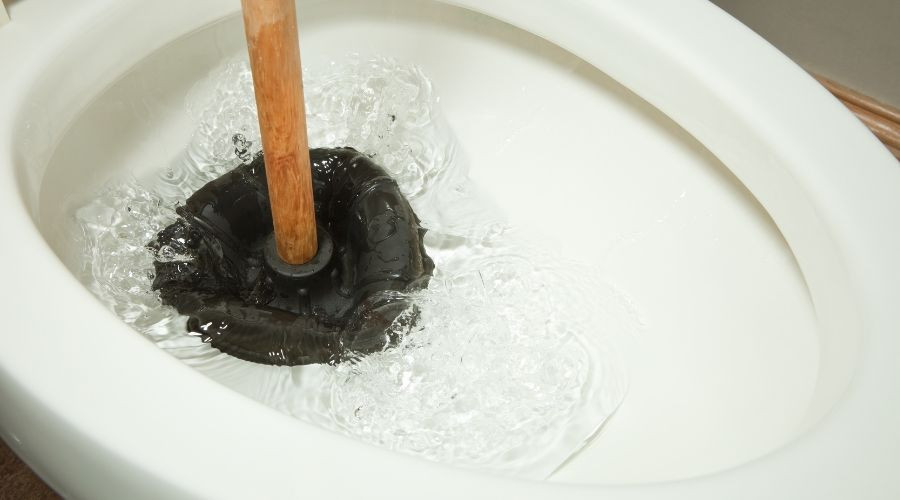
 One of the worst habits to get into when living in a home is using the toilet like a trash can. Too often, people simply discard small trash in the basin and flush it away. The problem is toilets were not intended for this purpose, and various types of waste will contribute to sewer line clogs and toilet clogs. Be mindful of what gets flushed to make toilets more reliable and less likely to clog.
 Toilet clogs are far less likely if the first tip is followed. However, they can still happen if people insist on trying to flush too much toilet paper down the toilet at once. For reliable flushing and preventing clogs, a toilet has to be able to break up the mass of toilet paper as it flushes.
 )
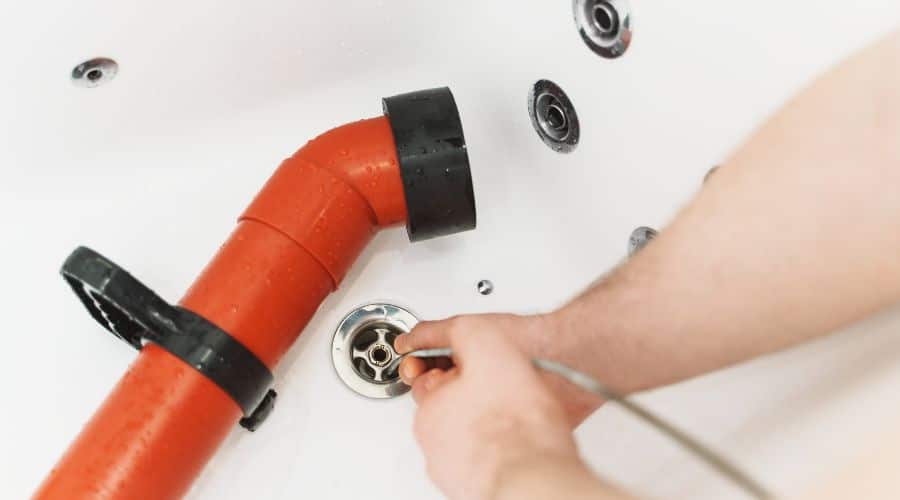
 When people think of water draining out of a basin or stool, the first thing that comes to mind is the sound. One of the things that most people don’t realize is that this is a sign of an impending clog.
  Before the drain stops flowing entirely, it usually drains slowly. This sign should be a reminder to the owner that routine drain and sewer line cleaning needs to be done soon. If a single drain is draining slowly, homeowners can try some
 )
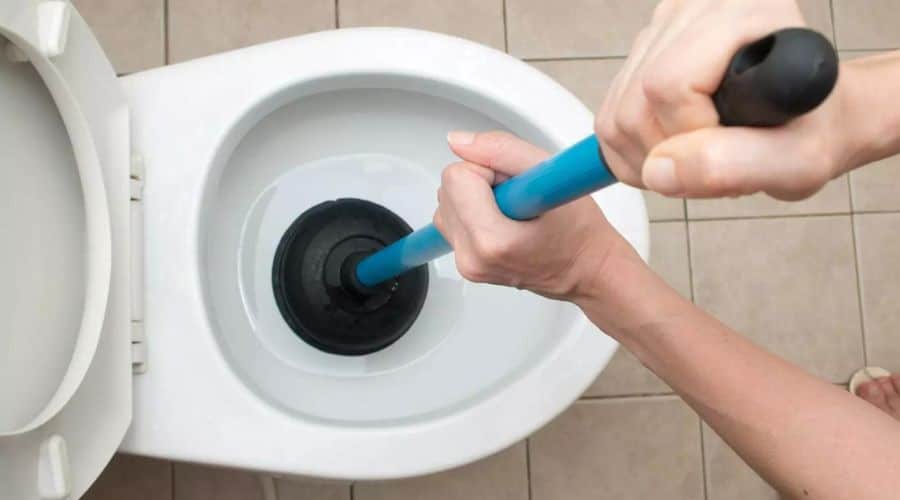
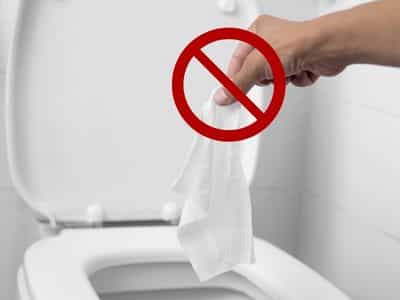 For many people, flushing something down the toilet is “out of sight, out of mind.” After all, once an item leaves the bowl, does it matter where it goes? Of course, it does! Clogs can build up deep within the home’s sewer main, leading to leaks, burst pipes, and the dreaded overflowing clogged toilet.
  Even though toilet paper can be flushed, it doesn’t mean that toilet paper usage habits can’t cause clogged toilets too. Flushing too much at once is a common cause of toilet clogs. To prevent clogs from toilet paper, people can use less toilet paper or flush more than once during the process so that all the toilet paper used isn’t flushed at once.
 )
)
)

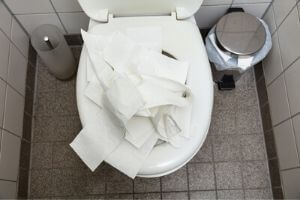 If too much paper is being flushed down the toilet, this could be
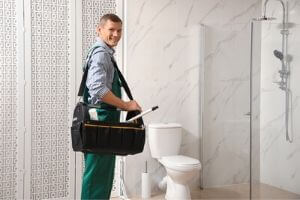 Make sure that everyone in the house knows that they should only be flushing toilet paper down the toilet. Switching toilet paper brands can sometimes help cut back on the number of accidental clogs. Never flush anything down the toilet other than bath tissue.
)
)
)
)

